
Learn how to make strong cannabis and hemp tinctures with Extractohol. This method is not just full of health perks. It also lets DIY fans and pros alike get better at creating tinctures. Whether you’re a newbie or aiming to improve your craft, this guide is key. It helps you understand how to make effective and tasty tinctures. Get ready to dive into the craft and science of tincture making for great results.
Key Takeaways
- Explore both cannabis tinctures and hemp tinctures for diverse applications.
- Learn about the benefits of using Extractohol in your extractions.
- Understand essential tincture making techniques to produce potent tinctures.
- Equip yourself with knowledge and tools to enhance your tincture crafting skills.
- Discover helpful tips to navigate the tincture-making process successfully.
- Enjoy the art of experimentation and flavor infusion in your tinctures.
Understanding Cannabis & Hemp Tinctures
Tinctures are concentrated liquids made by soaking cannabis or hemp in alcohol. They hold the plant’s healing qualities, loved by those into natural health. They enter the bloodstream fast and let users dose accurately, which makes them a trusted option.
What Are Tinctures?
Cannabis and hemp tinctures are both made with alcohol. Cannabis versions have many cannabinoids, including THC, which affects the mind. Hemp tinctures focus on CBD, a compound that doesn’t make you feel high. This makes hemp tinctures great for those avoiding THC’s effects. People enjoy tinctures under their tongue or in food and drinks, making them flexible.
Benefits of Using Tinctures
The pros of tinctures are quite a few. They work quickly, sometimes in minutes, which helps in adjusting doses with ease. People like finding their perfect dose without hassle. Plus, their alcohol base means tinctures last a long time without losing strength.
Differences Between Cannabis and Hemp Tinctures
Understanding what sets them apart helps users make good choices. Cannabis tinctures have a wide range of cannabinoids, including THC, which can alter your mind. Hemp tinctures are mainly about CBD and similar substances, with no high. This means their uses and benefits can vary, letting users pick based on what they need.
| Aspect | Cannabis Tinctures | Hemp Tinctures |
|---|---|---|
| Psychoactive Effects | Yes (contains THC) | No (primarily CBD) |
| Main Cannabinoids | THC, CBD, others | CBD, CBG, others |
| Common Uses | Pain relief, anxiety relief, appetite stimulation | Relaxation, stress relief, anti-inflammatory |
| Legal Status | Varies by state | Often federally legal in the U.S. |
The Role of Extractohol in Tincture Making
Extractohol plays a key role in making tinctures. It is a high-proof, Food Grade alcohol that helps pull out good compounds from plants. Thanks to its special qualities, it does this better than other solvents. This makes it great for creating strong tinctures.
What is Extractohol?
Extractohol is a high proof, food grade alcohol for extracting important parts of plants like cannabinoids and terpenes. It is not denatured, so it doesn’t leave bad stuff behind. Because of this, both hobbyists and experts prefer using it.
Why Choose Extractohol for Your Tinctures?
There are many good reasons to use Extractohol:
- Full-Spectrum Extraction: It keeps the healing parts of the plant, making the tincture stronger.
- Efficient Solvent: It pulls out many compounds well, improving the strength of the tincture.
- Food-Grade Quality: It is safe to use, which is reassuring for those making products to consume.
- Versatile Use: It works with different tools, making it flexible for homemade projects.
| Property | Extractohol | |
|---|---|---|
| Food-Grade Quality | Yes | |
| Residue-Free | Yes | |
| Extraction Efficiency | High |
Selecting the Right Cannabis or Hemp Strain
Choosing the correct strain of cannabis or hemp is key to making tinctures. Understanding different strains’ features can help you get the effects you want and the best extraction. It’s important to look at each strain’s cannabinoid and terpene profiles, and what you’ll be using the tincture for.
Factors to Consider When Choosing Strains
There are several things to keep in mind when picking a strain for your tincture:
- Cannabinoid content: Choose strains with the right THC or CBD levels for the effects you’re looking for.
- Terpene profiles: Terpenes affect the smell and can also change or boost how cannabinoids work.
- Intended use: Think about why you’re using the tincture, like for relaxation, to ease pain, or to get an energy boost.
Indica vs. Sativa vs. Hybrid
It’s crucial to know the difference between indica, sativa, and hybrid strains to pick the right one.
| Strain Type | Effects | Typical Uses |
|---|---|---|
| Indica | Relaxing, calming, sedative | Stress relief, sleep aids, pain management |
| Sativa | Uplifting, energizing, cerebral | Creative endeavors, social activities, fatigue relief |
| Hybrid | Balanced effects, can vary | Versatile use based on dominant characteristics |
Essential Equipment for Tincture Creation
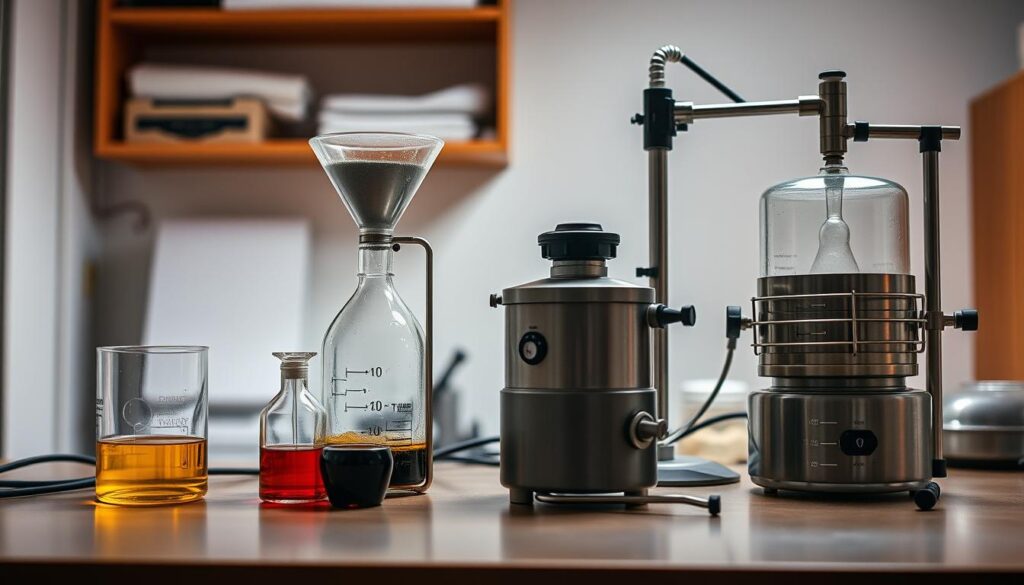
To make a good tincture, you need the right equipment. Using high-quality tools makes a big difference in how your tincture turns out. Here, we’ll talk about the important stuff you need for making tinctures safely and effectively.
Must-Have Tools and Materials
Here are some tools you’ll need to make great tinctures:
- Mason Jars: Perfect for soaking herbs in alcohol, these jars keep air out.
- Digital Scale: For making tinctures, being exact is important. This helps you measure herbs and alcohol right.
- Coffee Filters or Cheesecloth: These are used to remove plant bits after soaking, giving you a clear tincture.
- Dropper Bottles: These bottles make it easy to use and share your tincture.
Safety Equipment to Consider
When using strong alcohol, staying safe is key. Here’s the safety gear you should use:
- Gloves: They keep your hands safe from strong alcohol and any plant stuff that might irritate your skin.
- Eye Protection: Goggles are important to keep your eyes safe from splashes.
- Respirators or Masks: Wear a mask and have proper ventilation, to help you not breathe in fumes while making your tincture.
- Well Ventilated Room: It is essential to have a well ventilated room when using alcohol for your extraction.
Preparing Your Cannabis or Hemp
Getting your cannabis or hemp ready is key for strong, healing tinctures. You need to decarb and grind it. Decarbing wakes up the plant’s healing powers, and grinding helps pull those powers out.
Decarboxylation Process Explained
Decarbing is the first, crucial step for cannabis prep. It heats the plant, changing THCA to THC and CBDA to CBD. The right heat and time make all the difference. Aim for 220°F to 240°F (104°C to 116°C) for 30 to 45 minutes. This gets the plant ready for a strong tincture.
Grinding Techniques for Optimal Extraction
Better grinding means better tinctures. Aim for a medium to fine grind. Too coarse and you might lose some goodness; too fine, and filtering becomes hard. Make sure it’s evenly ground to pull out all the benefits.
The Extraction Process Using Extractohol
Grasping how to extract with Extractohol is key for top-notch tinctures. This method makes getting high-quality tinctures easier. Just follow some steps to get a potent extract efficiently.
Step-by-Step Guide to Extraction using a mason jar
- Combine prepared cannabis with Extractohol in a glass jar. Make sure to cover the cannabis completely with Extractohol for the best results.
- Shake the mixture well. Shaking helps the active parts of the cannabis mix into the alcohol.
- Allow the mixture to sit for a while, usually weeks. This time lets the extraction process work properly.
- Filter the mixture through cheesecloth or a fine strainer. This step gets rid of solid bits, leaving a clean tincture.
- Evaporate excess alcohol if you want, by airing it out or warming it. This makes the tincture stronger.
Tips for Maximizing Potency
- Pick strong cannabis strains for a more effective tincture. The strain’s strength really matters.
- Keep an eye on the temperature when evaporating alcohol. A steady, low heat keeps the good stuff in your tincture.
- Store your tincture in a cool, dark spot to keep it strong as time goes by.
Infusing Flavor into Your Tincture
Adding flavors to tinctures makes them taste better and more versatile. By using herbs, you can make custom mixes. These match your tastes and the effects you want. Here are some good herbs and flavor ideas to improve your tincture.
Herbal Additives and Their Benefits
Herbs do more than make things taste good. They can also boost your health. Let’s look at some examples:
- Mint: It’s refreshing and helps with digestion.
- Ginger: It fights inflammation and adds a spicy kick.
- Citrus Zest: Gives a tangy twist and is full of vitamin C.
- Lemon Balm: It has a gentle taste and eases stress.
- Chamomile: Adds a floral touch and helps you relax.
Flavor Pairing Ideas
Choosing the right flavor pairings is key. Here are some ideas to try:
- Mint and lime for a cool, summer taste.
- Ginger and turmeric for a spicy health kick.
- Lemon zest and rosemary for a herbal scent.
- Chamomile and honey for a calming drink at night.
- Citrus with herbal teas for more complex flavors.
Storing Your Tinctures for Longevity
Storing tinctures the right way keeps them strong and useful for a long time.
Knowing how to store them properly can make them last longer. This means they will work well whenever you need them.
Avoiding light, air, and heat is crucial to keep the quality of your tincture.
Best Storage Practices
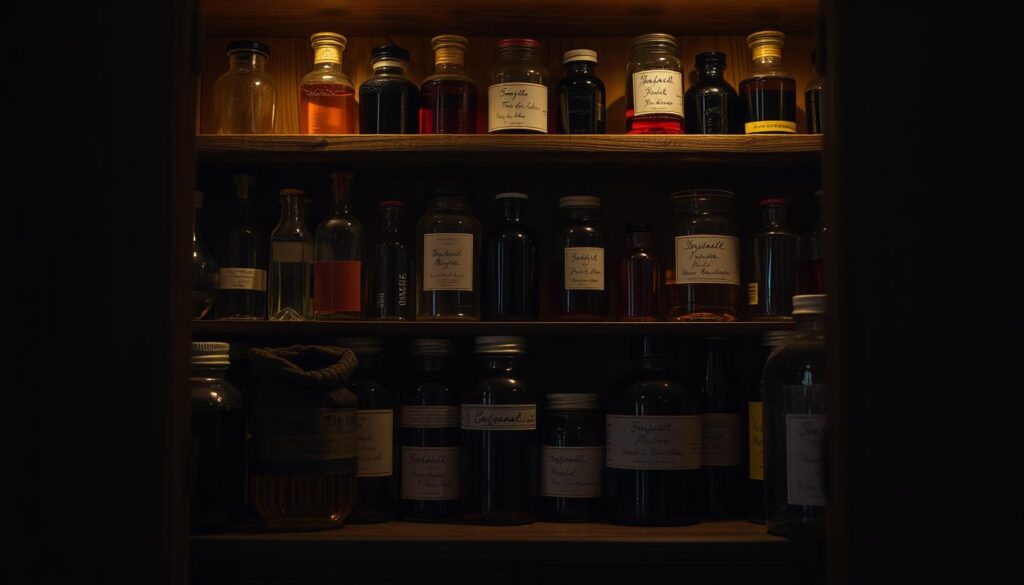
Use amber glass bottles to keep your tinctures away from light. This kind of light can make them less effective.
Keep them in cool, dark places like pantry shelves or cupboards. Make sure these spots don’t get too hot or cold.
Doing this helps your tinctures stay good for a longer time.
Identifying Expiration Dates
It’s important to watch for expiration dates and signs that a tincture may not be good anymore.
Tinctures can last from 1 to 3 years, depending on what’s in them and how you store them.
Look out for any changes in color, smell, or how it looks. This will help you know it’s still okay to use.
Dosage Guidelines for Tincture Use
Understanding how much tincture to take is key for a good experience. Figuring out the best amount can require some trial and error, influenced by various factors.
How to Determine Your Ideal Dose
Begin your tincture journey carefully with a small dose. It’s usually suggested to start with 1-2 drops. This allows you to see how your body reacts without strong effects. Then, you can slowly increase your dose, adding a little more every few days, until you feel it’s just right.
Factors Affecting Dosage and Effects
Your experience with tinctures can be influenced by many things. Important factors to think about include:
- Body Weight: People who weigh more often need larger doses to have the same effects.
- Desired Effects: What you want to achieve, like feeling relaxed or easing pain, helps decide how much to take.
- Cannabinoid Concentration: The strength of tinctures varies, influencing how much you should use.
Keeping track of how you react is useful for a personalized approach. A journal with notes on dosages, effects, and timing can help you find the best routine.
Common Mistakes to Avoid
Making cannabis and hemp tinctures can be both rewarding and tricky. Knowing the common mistakes when preparing and using tinctures can improve your experience. Spotting these errors early helps manage your expectations and get better outcomes. Let’s look at the frequent problems and clear up any confusion about tinctures.
Pitfalls When Making Tinctures
Beginners often encounter specific challenges. The main issues include:
- Incorrect ratios of cannabis to alcohol: Too much or too little alcohol changes the potency.
- Insufficient decarboxylation: Not activating the cannabis compounds lessens their effect.
- Improper storage: Light and heat can lower tincture quality over time.
Misunderstandings About Tincture Use
Many people have wrong ideas about tinctures that lead to poor outcomes. It’s key to correct these misunderstandings:
- Belief that higher doses mean better effects: The best dose depends on the person and the cannabis strain.
- Assuming all tinctures taste the same: Different strains and flavors make tinctures taste different.
- Overlooking the importance of strain selection: Each strain affects the results in its unique way.
Legal Considerations Surrounding Tinctures
It’s vital to know the laws about tinctures if you’re into making cannabis or hemp products. The rules change a lot in the U.S., especially between hemp and cannabis. Knowing federal and state laws helps you stay within the rules while dealing with hemp and cannabis laws.
Hemp vs. Cannabis Legality in the U.S.
Hemp tinctures are more accepted in the U.S. now, thanks to the 2018 Farm Bill. This bill makes industrial hemp legal. These tinctures usually have a little bit of THC. So, they’re easier to get and face fewer rules. But, cannabis tinctures, with a lot of THC, have tougher rules. They’re often seen as controlled substances.
Understanding Local Regulations
Learning about local laws is key if you’re making or using tinctures. The rules can really differ from one state to another. Some states are okay with both hemp and cannabis tinctures. But, some have strict rules. Following local laws helps keep you out of trouble and ensures safe use of these products.
Final Thoughts on Crafting Your Own Tinctures
We’re wrapping up our talk on making tinctures. It’s key to think about every step of the process. Knowing the importance of Extractohol and picking the right cannabis or hemp is crucial. Each step is key to making a strong and unique tincture. Getting your ingredients ready and being safe improves quality and makes the experience better.
It’s important to try new things with tinctures. Be creative with different flavors, mix strains, and try new ways of infusing them. Tinctures are great because you can adjust them to what you like. You can make something special that meets your own tastes and health needs. Have fun trying new mixes that fit what you like and aim for.
As we finish, remember it’s not just about the final product. Making tinctures is also about enjoying the process. It lets you connect more with nature and find out how these tinctures can help you. I hope your tincture-making journey is fulfilling and fun!
FAQ
What are cannabis and hemp tinctures?
Cannabis and hemp tinctures contain alcohol to pull out the plant’s healing benefits. They work fast and offer precise doses.
What is the difference between cannabis and hemp tinctures?
Cannabis tinctures usually have THC and other parts for effects. Hemp tinctures have CBD for non-psychoactive benefits.
What is Extractohol and why is it used in tincture making?
Extractohol is high-proof, Food Grade ethanol used in making tinctures. It’s great at pulling out important plant compounds without leaving bad stuff behind.
How do I select the right cannabis or hemp strain for tincture making?
Pick strains by what effects you want and the CBD or THC levels. Use Indica for calm, Sativa for energy, and Hybrids for a mix.
What essential equipment is needed to create tinctures?
You need mason jars, a digital scale, filters like coffee filters, and safety gear. Gloves and eye protection are a must when using alcohol.
What is the process of decarboxylation?
Decarboxylation means heating the plant to activate its compounds. It makes your tincture stronger and more effective.
Can you outline the extraction process using Extractohol?
Mix cannabis with Extractohol, shake it, then filter. There are tips for evaporating to make it stronger and better quality.
How can I infuse flavor into my tinctures?
Add herbs like mint or ginger, or citrus zest for taste and extra health perks. Try different mixes for tasty tinctures.
What are the best practices for storing tinctures?
Keep them in amber bottles in a cool, dark spot. Check for spoilage or expiration to keep them effective.
How can I determine the appropriate dosage for tinctures?
Start with a small dose and adjust based on your weight, the effect you want, and the tincture’s strength. Keep track of what works for you.
What common mistakes should I avoid when making tinctures?
Make sure your cannabis to alcohol ratio is right, properly heat your cannabis, and understand dose guidelines to get the best results.
What legal considerations should I be aware of surrounding tinctures?
Know the laws where you live. Hemp tinctures are mostly okay, but THC ones have stricter rules depending on your place.
How can I find more information on making Herbal Extractions?
YOUTUBE is a great resource on how to make many types of herbal and culinary extraction.


